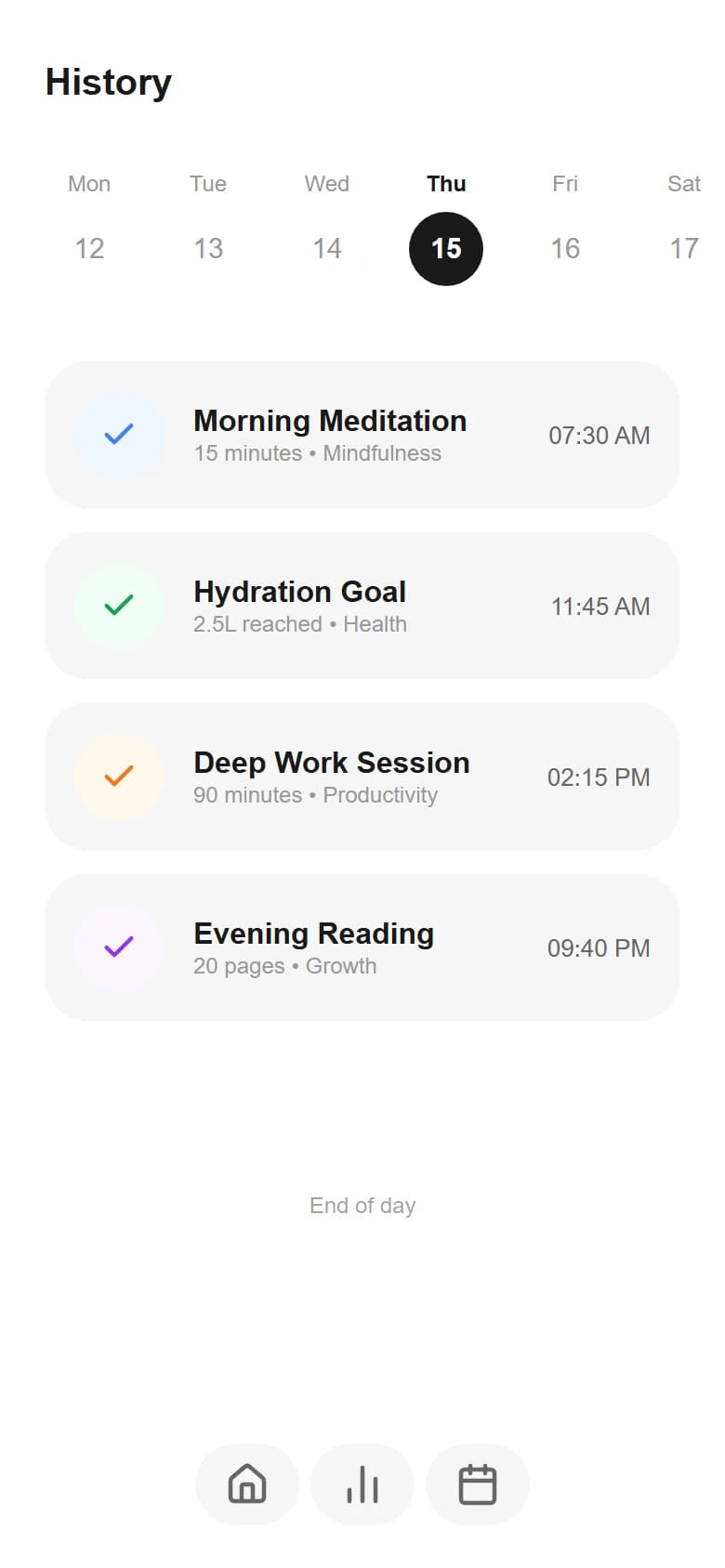
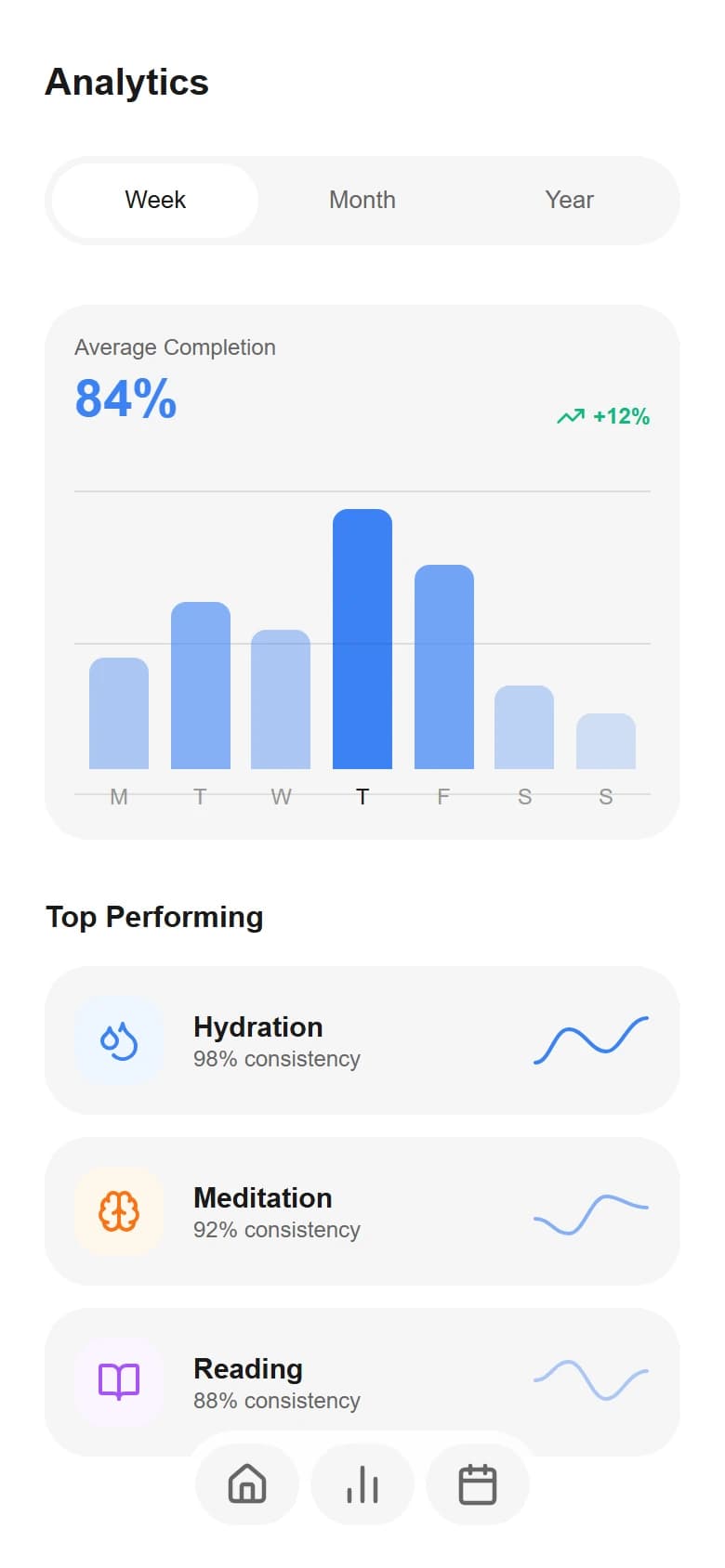
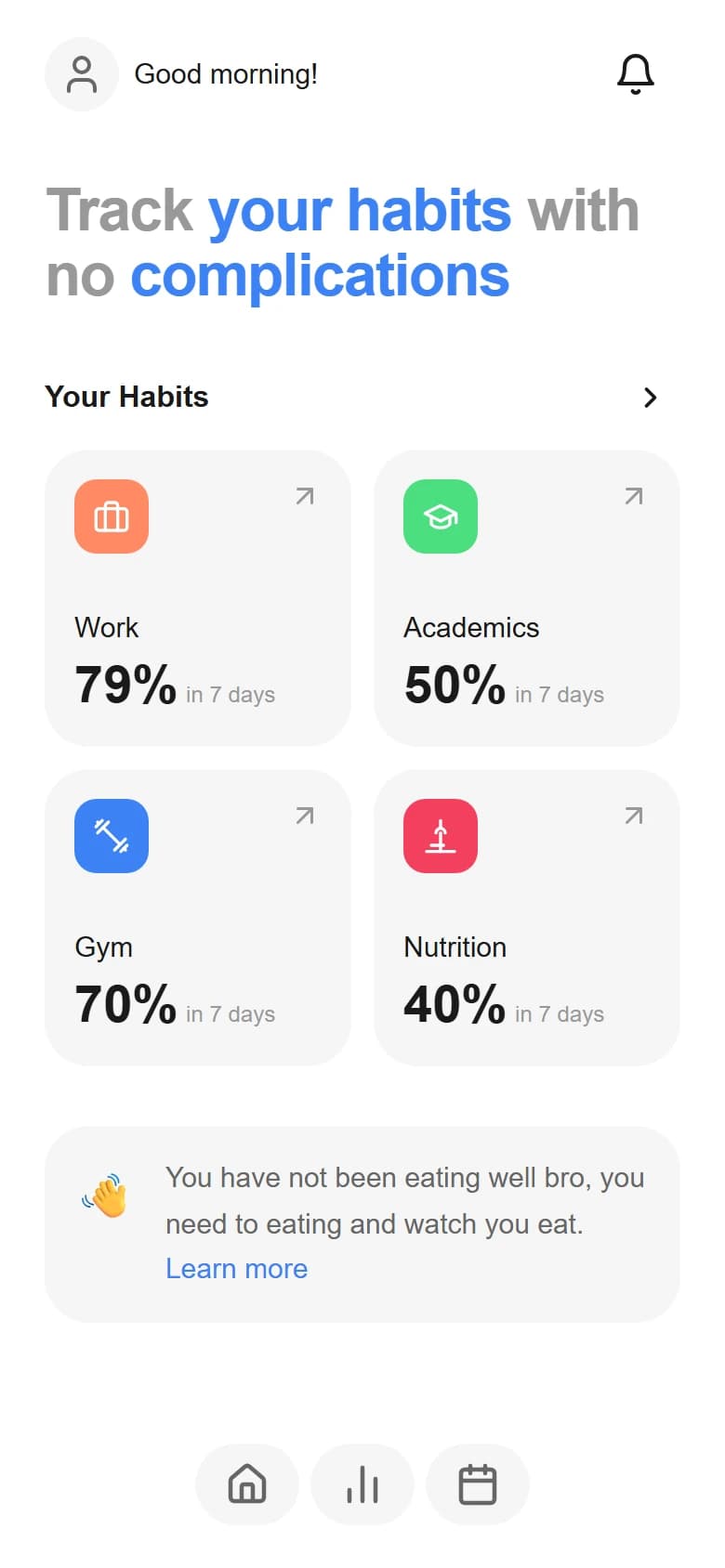
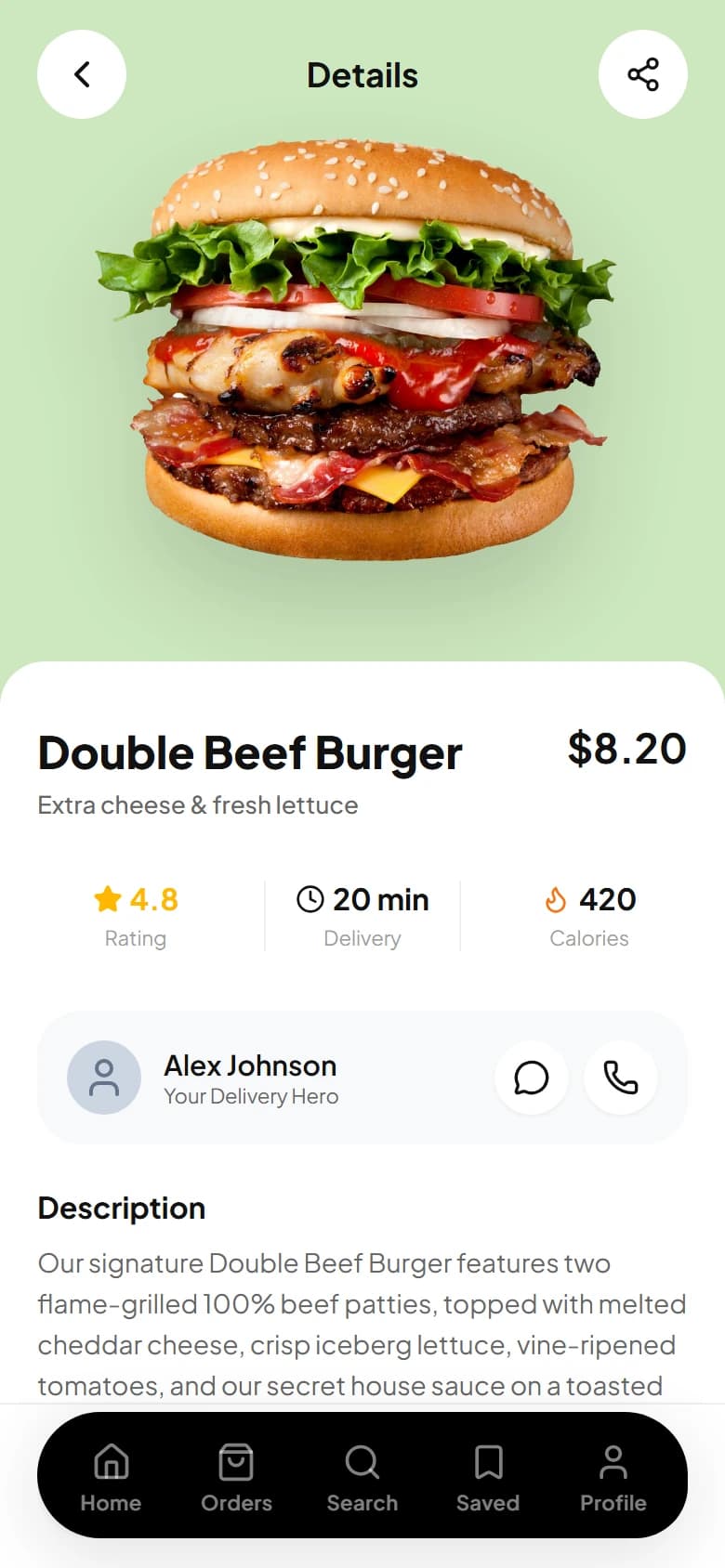
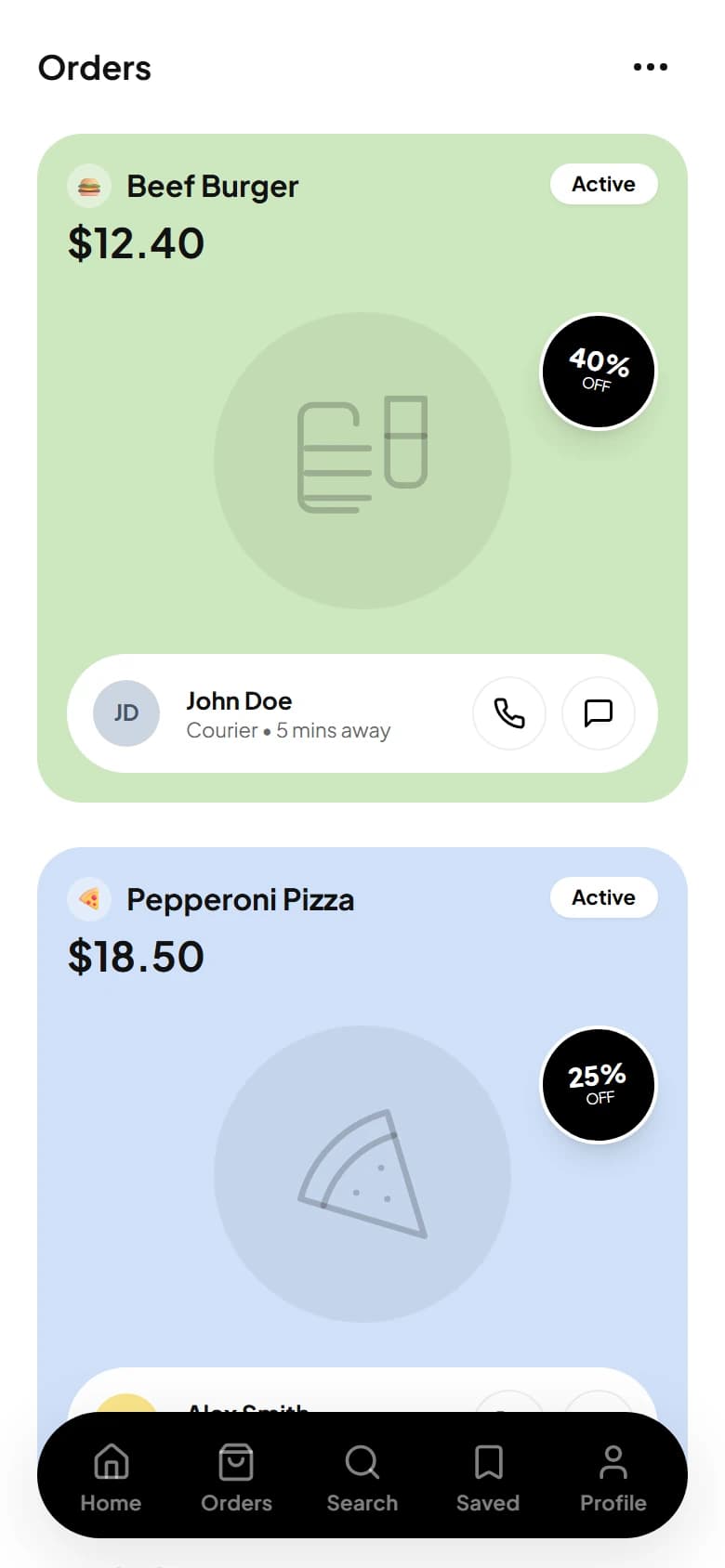
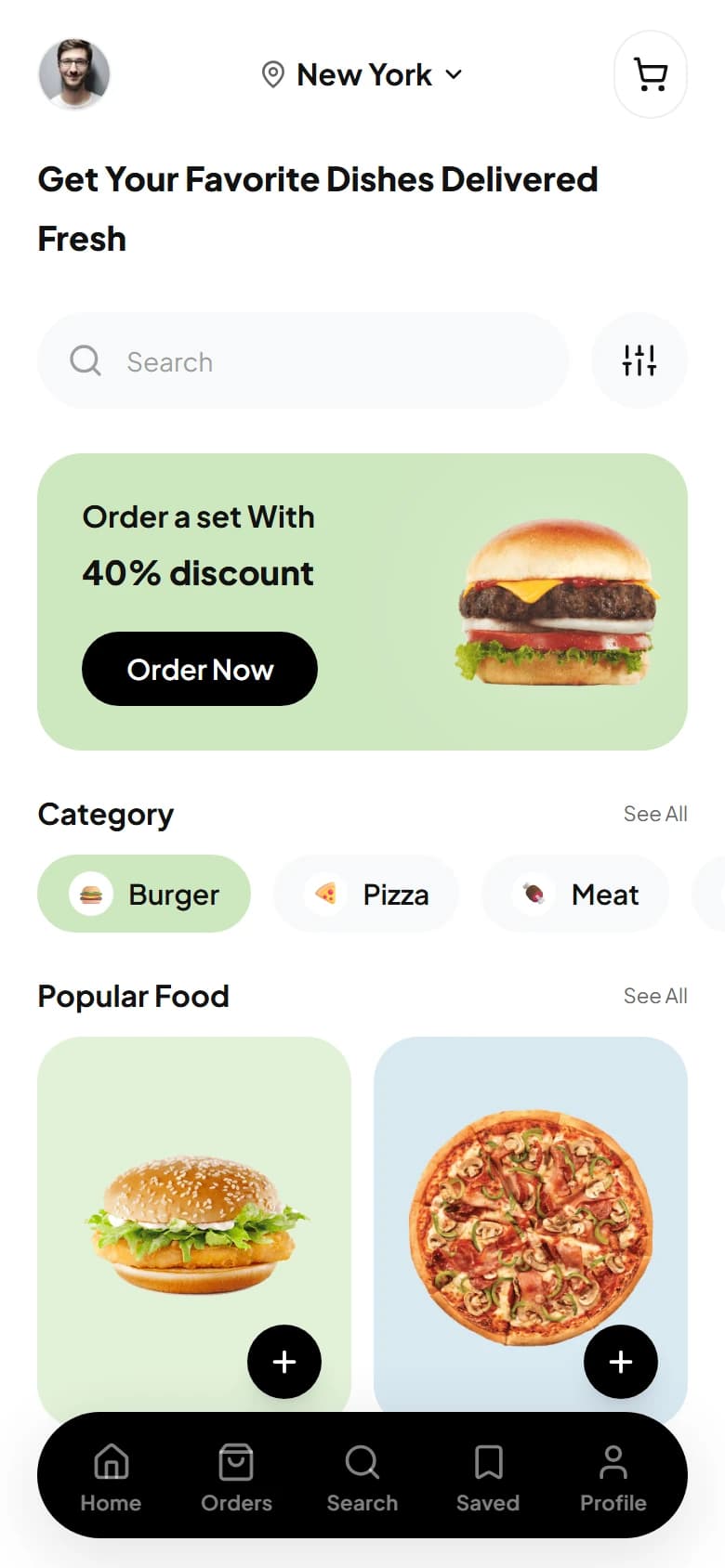
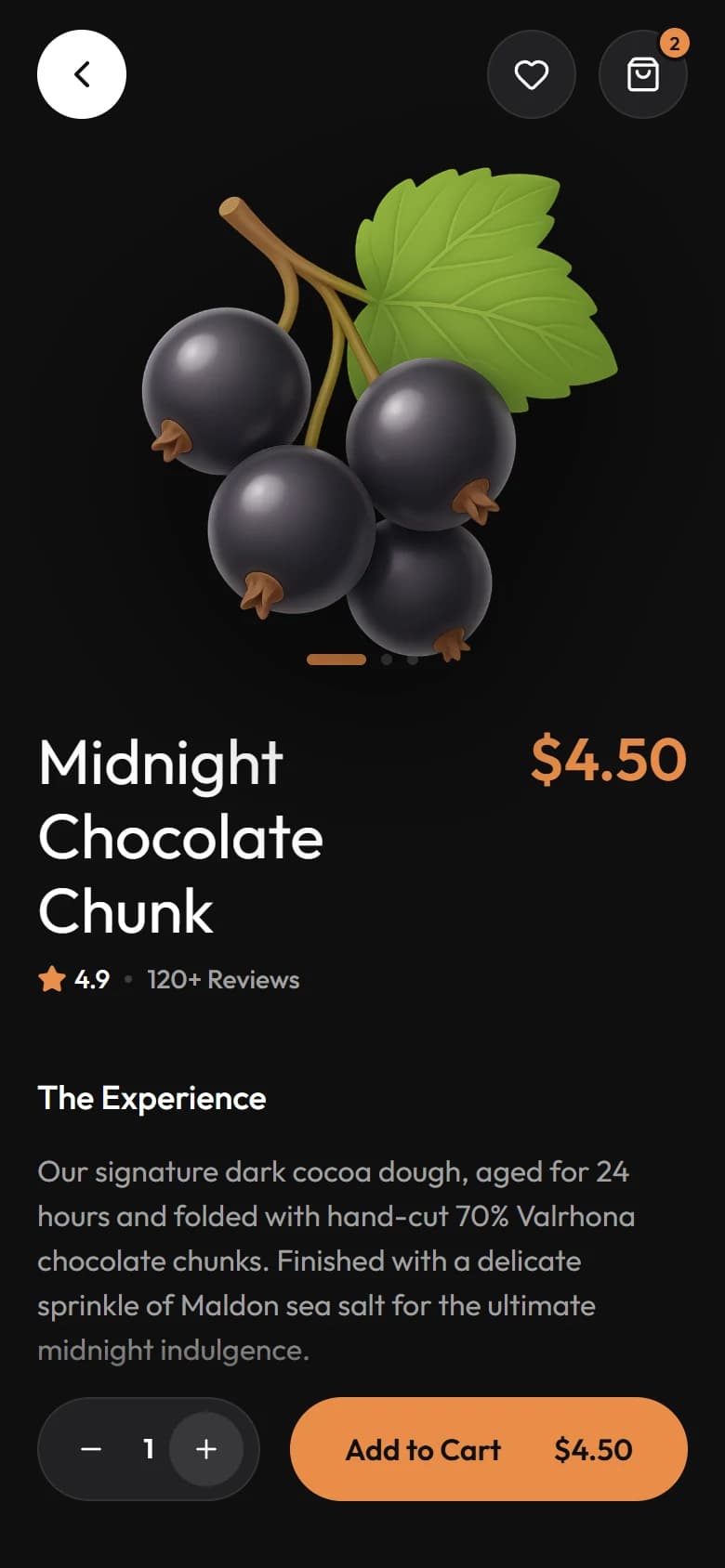
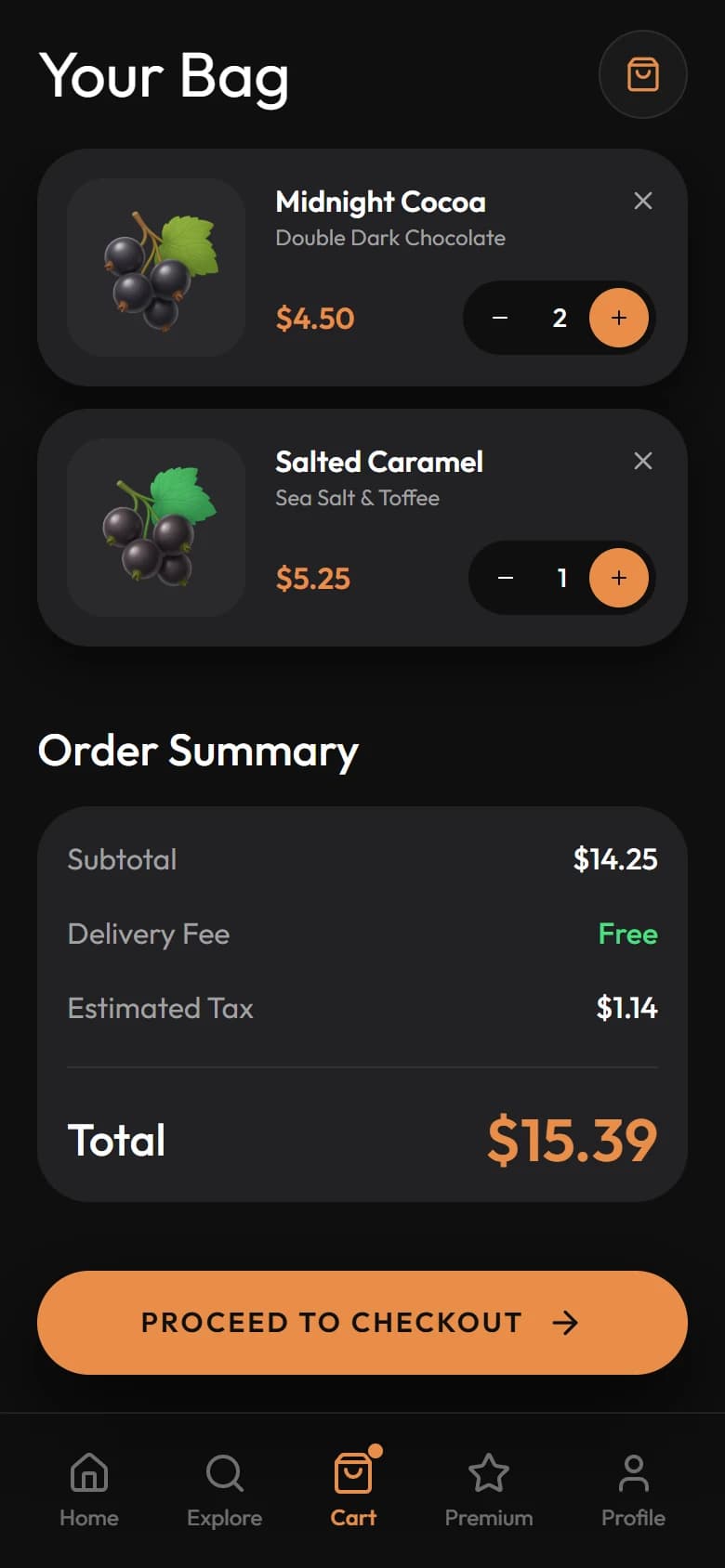
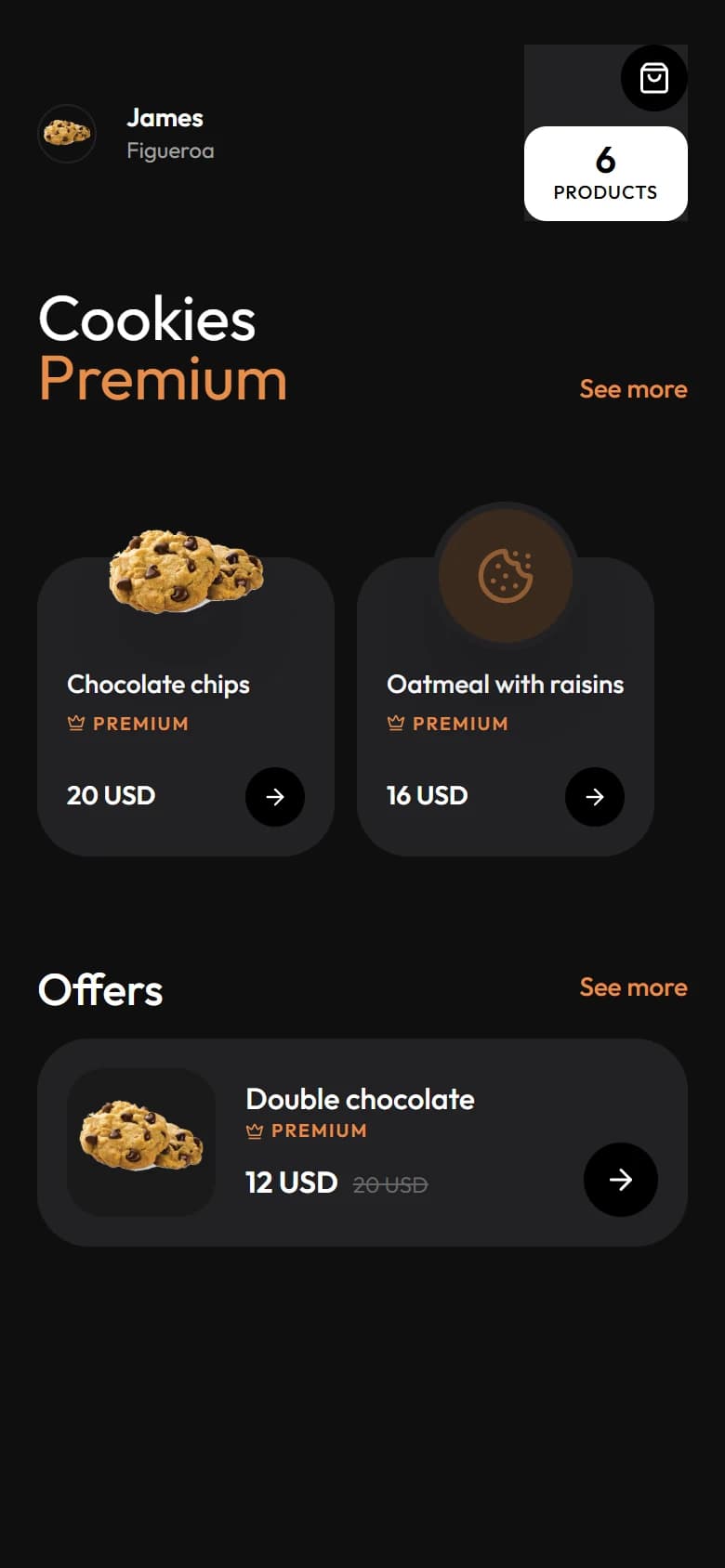
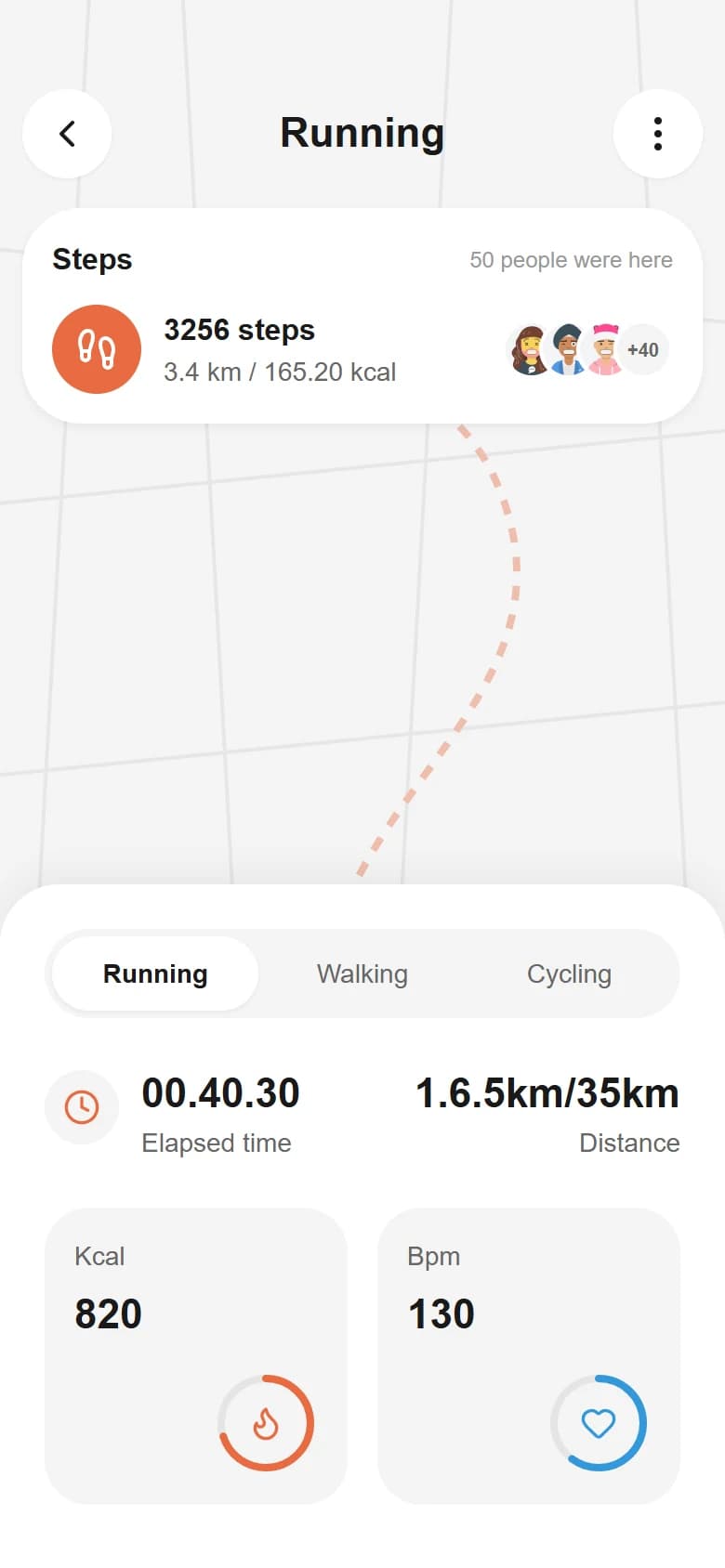
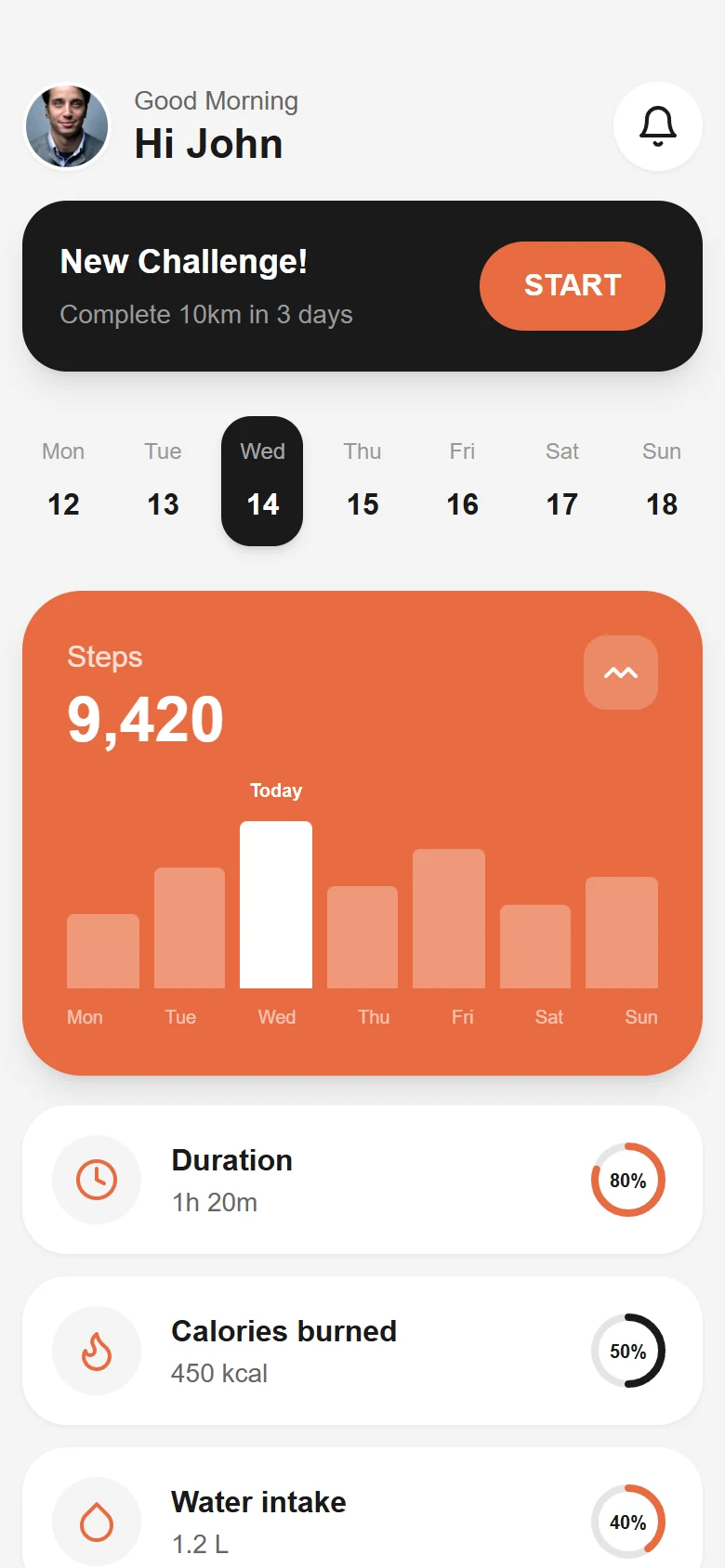
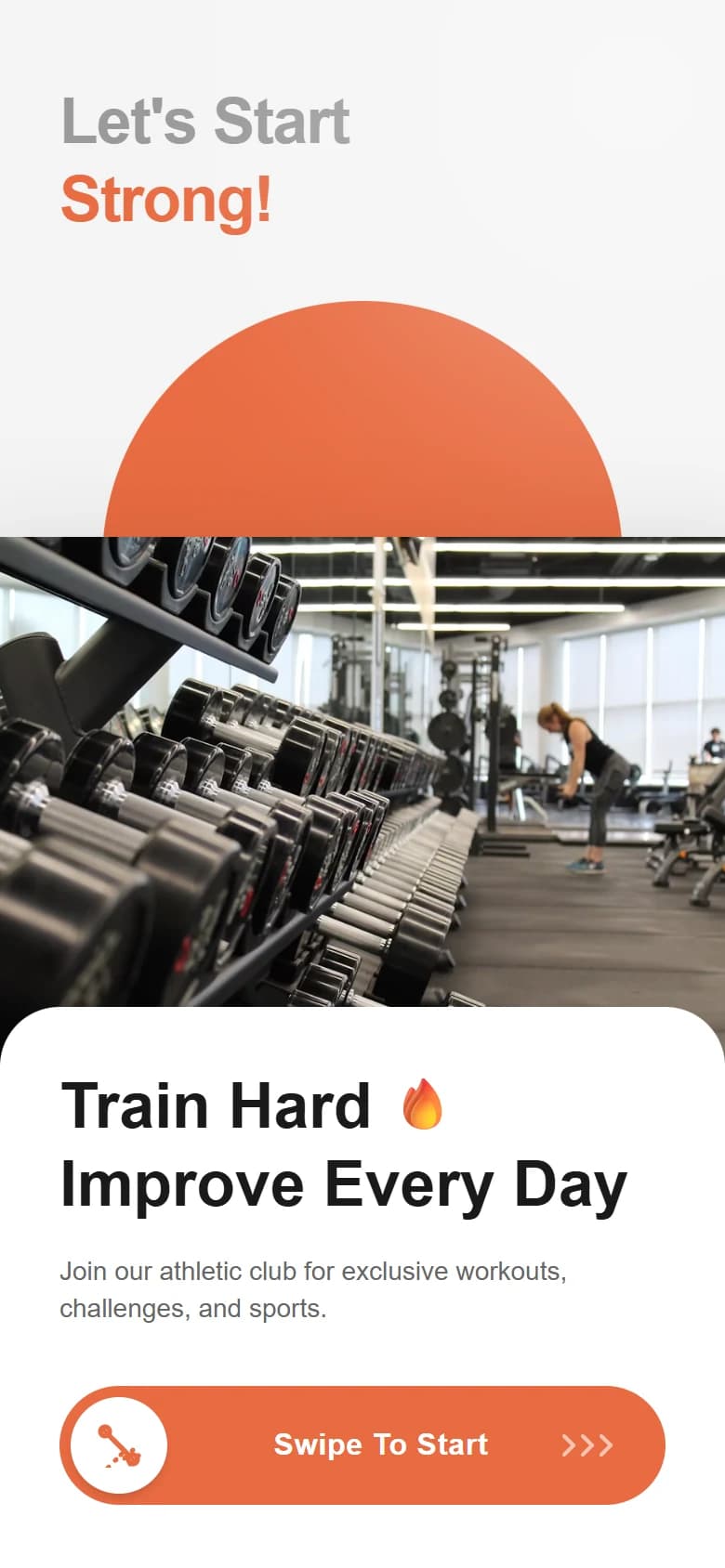
Collection 01
Neo Mint
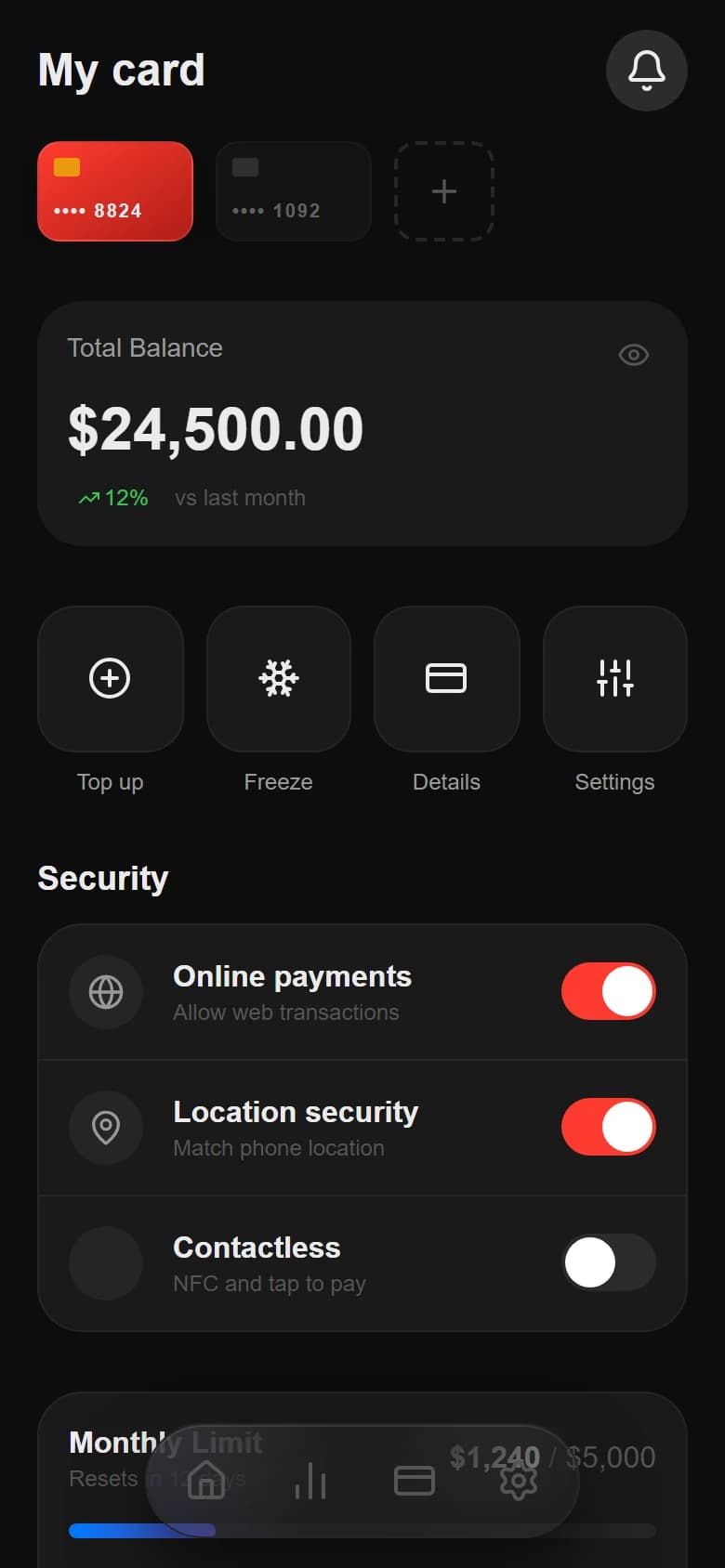
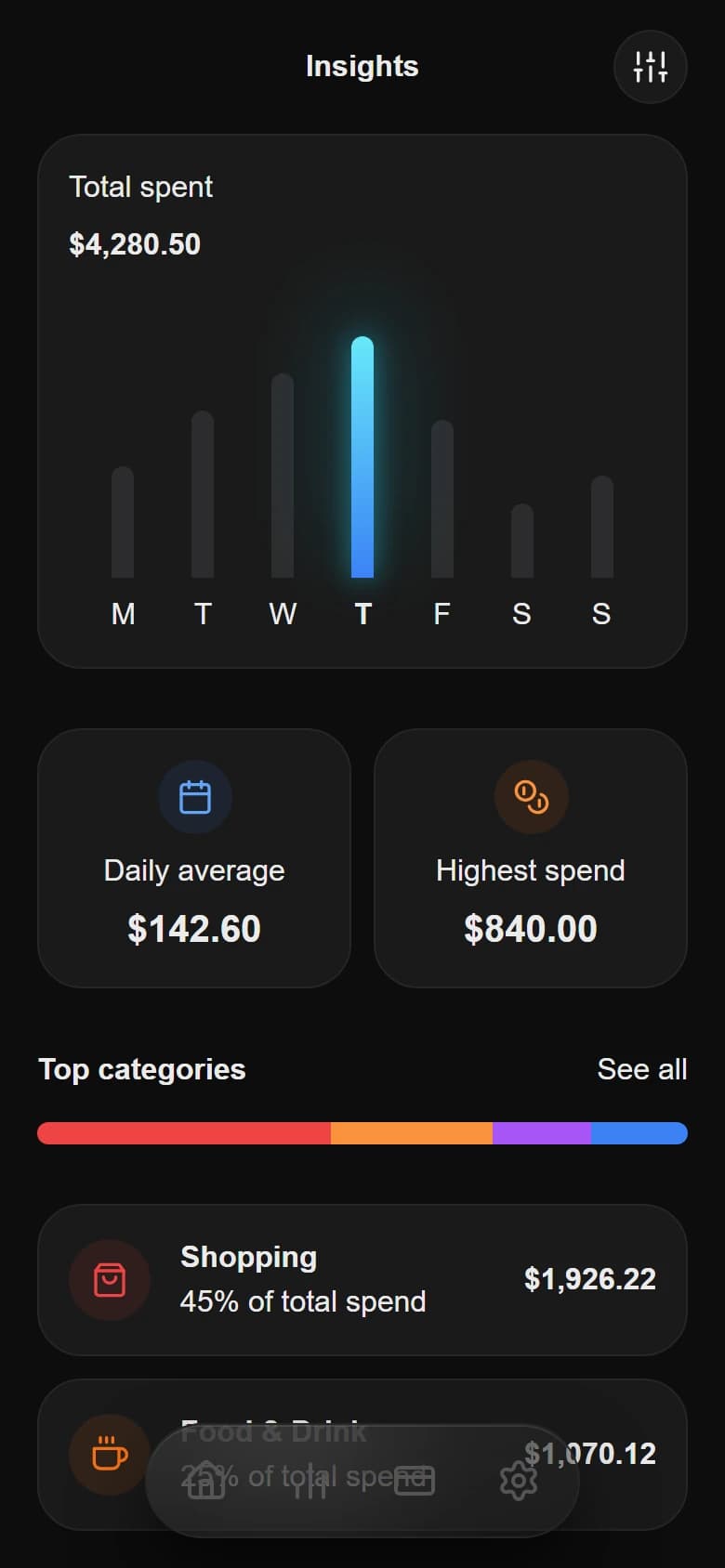
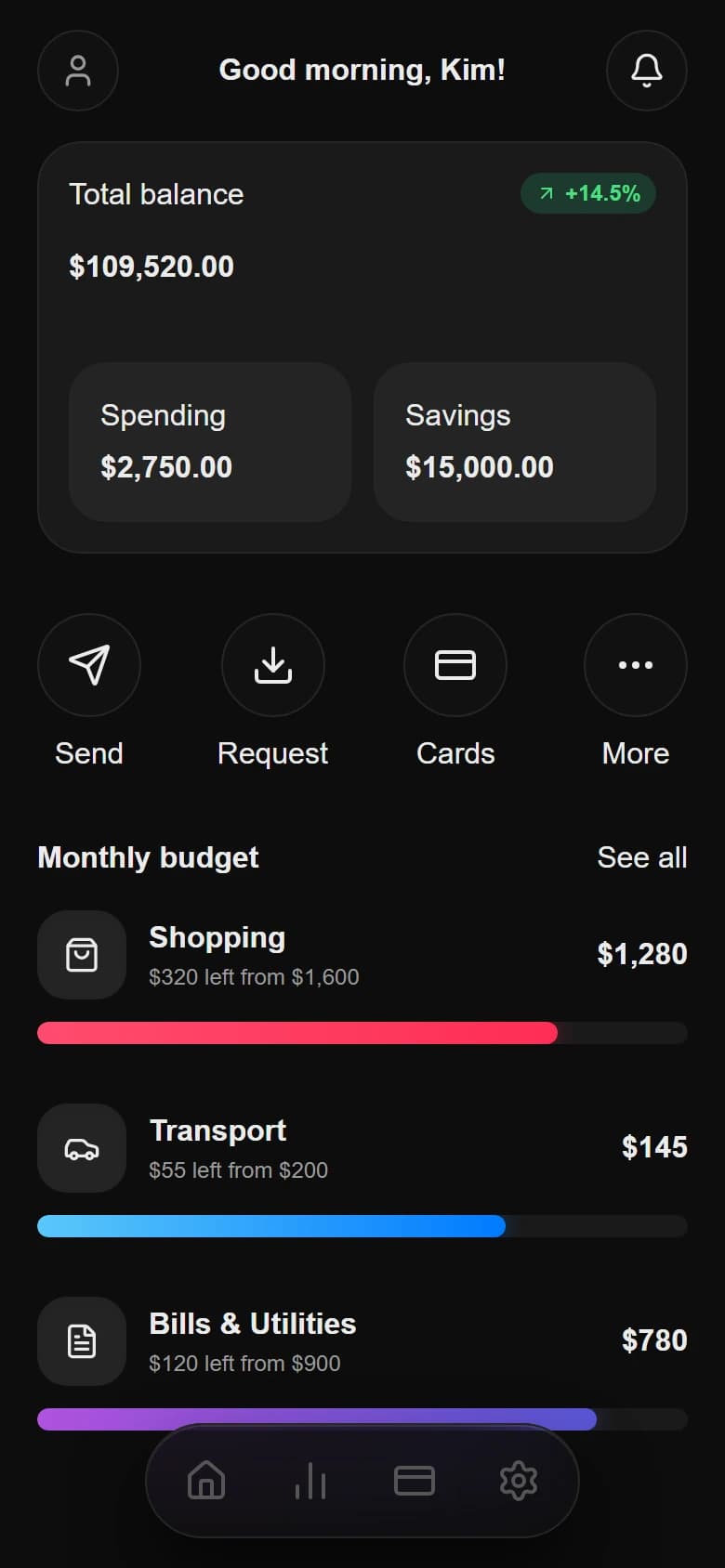
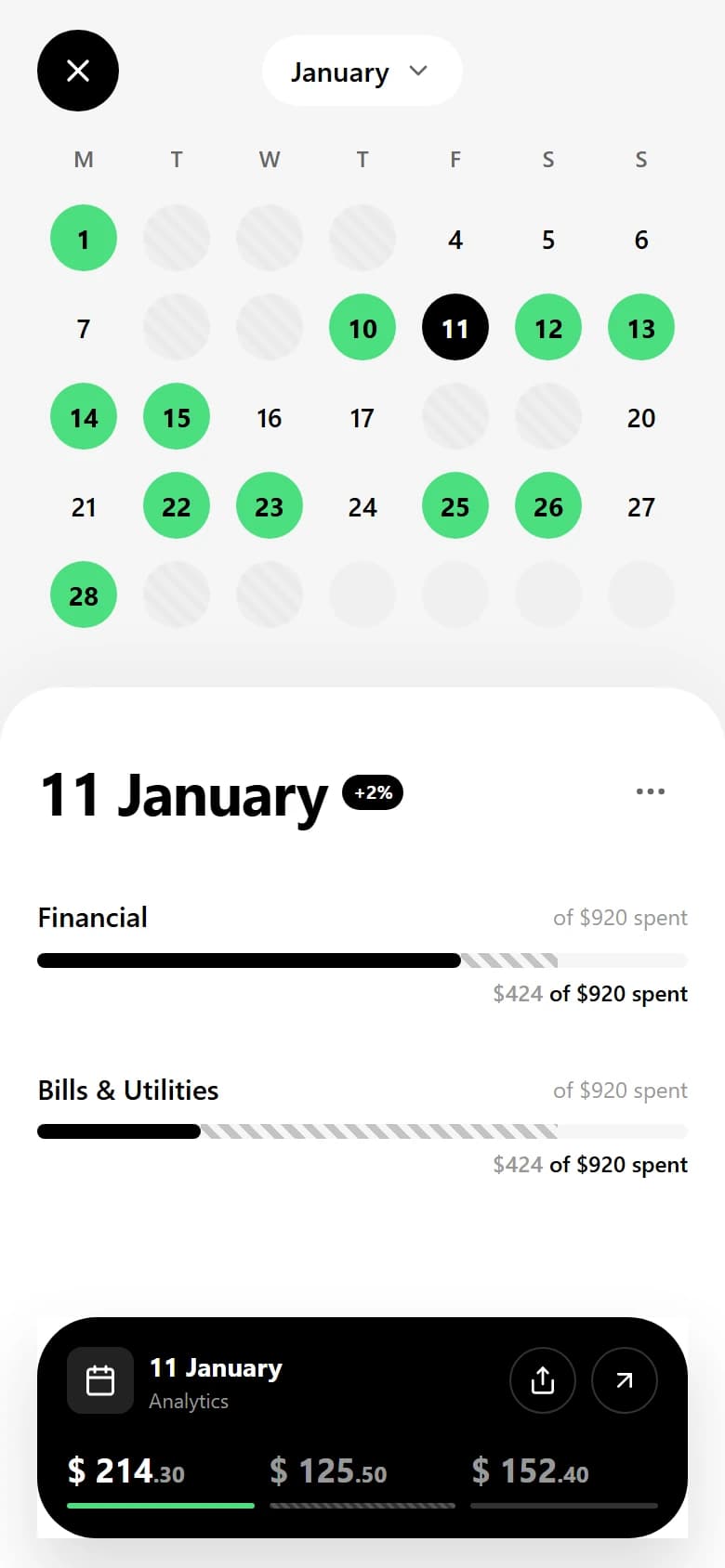
High-contrast finance screens with sharp hierarchy and restrained mint energy.
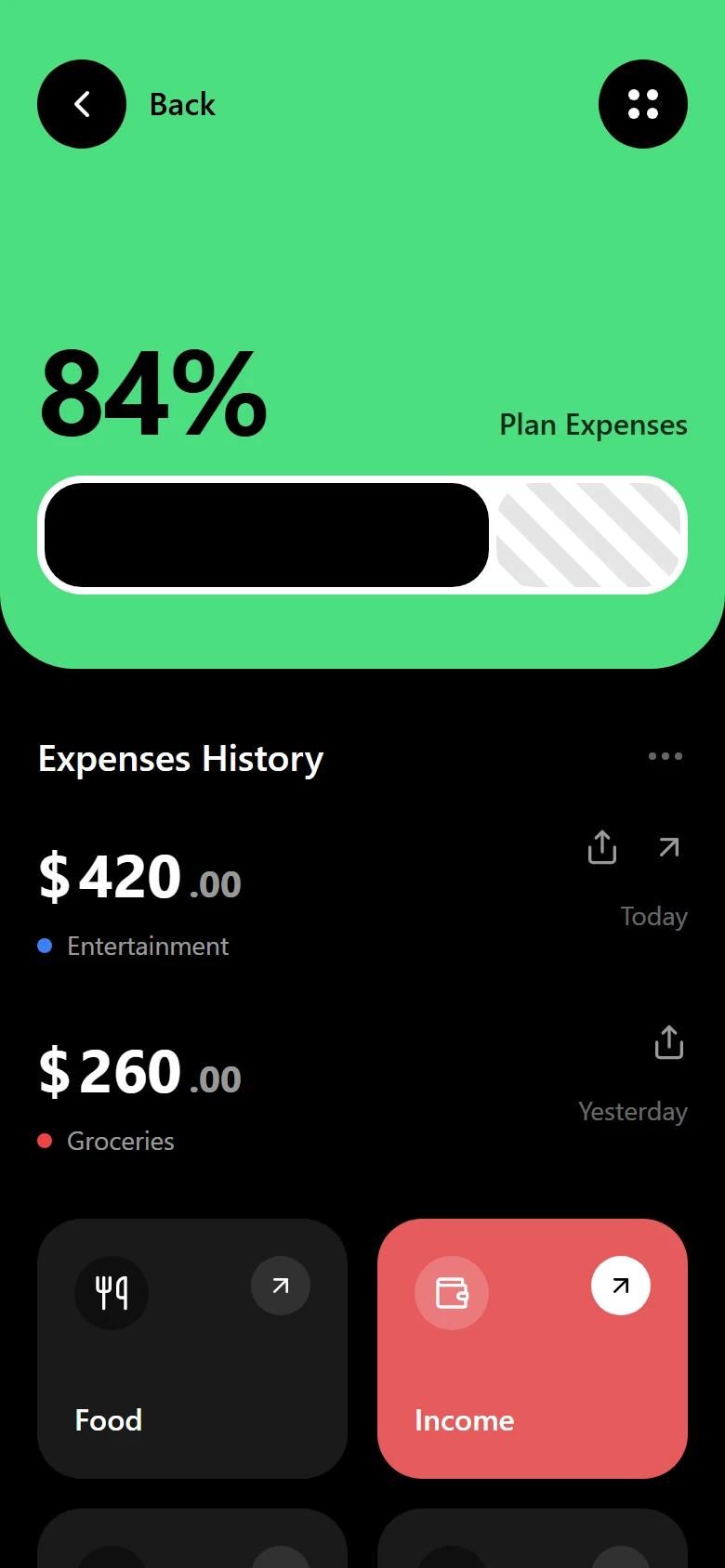
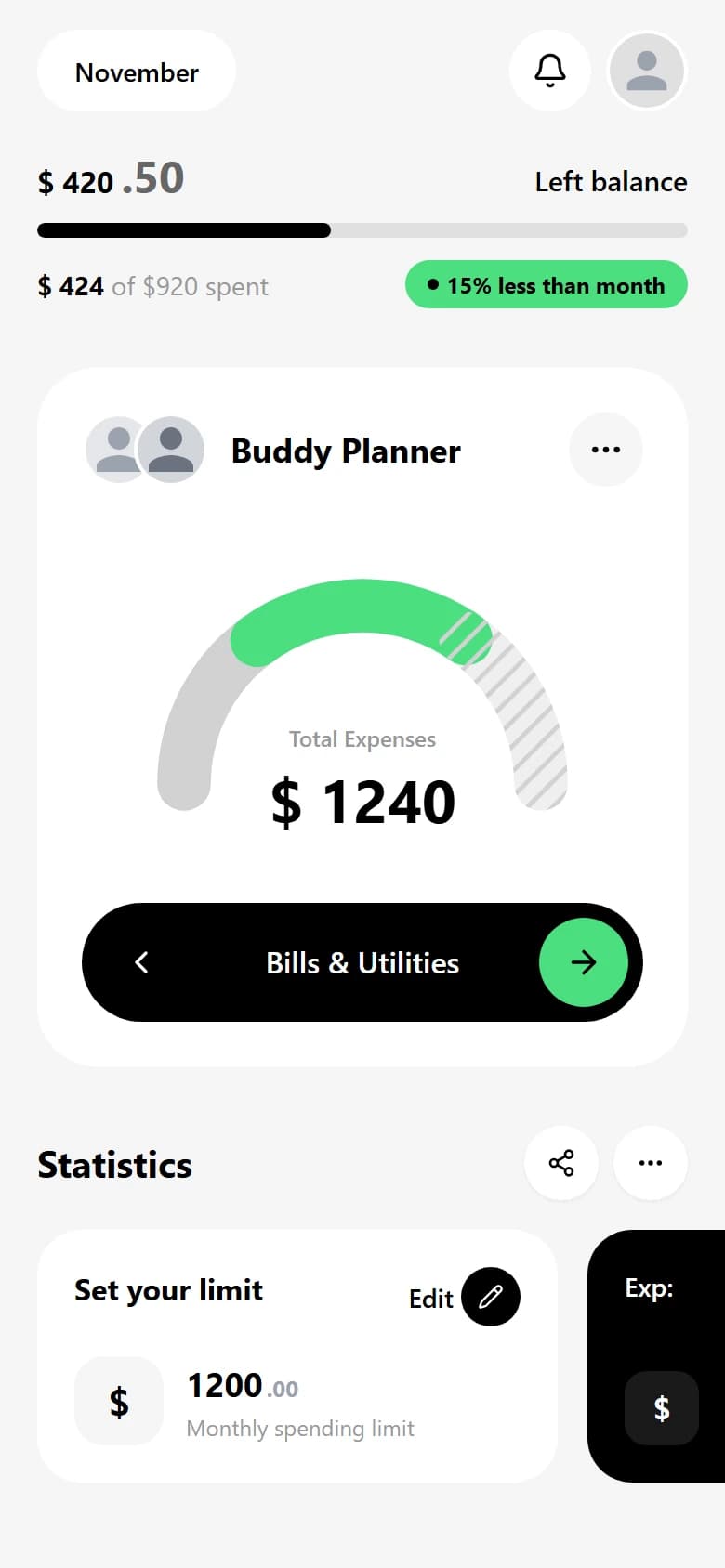
Drawgle turns prompts into premium mobile UI, then hands agent-ready HTML, design tokens, and implementation context to the coding tools already inside your repository.


No design tools, complex layers, or blank-canvas paralysis. Describe what you need, get connected screens, and refine them without starting over.
Tell Drawgle what you're building and how it should feel. Add a screenshot or style reference, answer a few quick questions, and approve the screen plan.
Drawgle turns your plan into polished, connected mobile screens with consistent layouts, components, navigation, and visual direction.
Point at any element and ask for a change, or add new screens. Drawgle edits only what you selected and keeps the existing design consistent.
Fork a showcase project to reuse its editable screens, or remix only its colors, typography, radii, and shadows as the starting design system for your own app.
Use one shared system for colors, type, spacing, radii, shadows, layout, and navigation. Update it once to keep connected mobile screens aligned.
Adjust a color, font, spacing value, corner radius, or shadow once. Every connected screen updates live without regenerating your work.
Founders, designers, and developers use Drawgle to move faster without giving up control of the system behind their interface.
“bro i literally just screenshot a design i liked on twitter, uploaded it, and got clean tailwind code in like 40 seconds. usually i spend 3 hours crying over flexbox alignment. this is a cheat code.”

Sachin Singh
Indie hacker, FitTrack
“so clean. normal ai code generators write absolute spaghetti code that breaks if you touch it. with this i just edited the primary color token and it synced across all pages. actually works.”

Vishnu Das
Lead iOS engineer
“did a client call yesterday, they wanted to change a button radius and background. usually that's a figma back and forth, but i just clicked the element on the canvas, tweaked the radius visually, and boom. approved.”

Sumesh
Freelance product designer
“i write good backend code but my designs always look like garbage from 2005. first time my project actually looks like a premium SaaS and i didn't have to hire a freelancer.”

Amela Rivera
Full-stack bootstrapper
“the fact that i can select a single button, type 'make this stand out more' and it only edits that button instead of regenerating the entire page and ruining my design is just huge.”

Manoj
Indie app builder
“honestly didn't expect much but i pasted a screenshot of an app ui i liked and it spit out production-ready code. saved me like 3 days of pixel pushing. absolute game changer.”

Matilda Rumera
Indie app developer
Every plan includes prompt-to-UI, screenshot reconstruction, design-token editing, Tailwind HTML, and Agent Pack exports. Plans differ by monthly credit capacity.
For founders and developers validating an app concept or designing a smaller mobile screen set.
~30 full screens a month
Start Building NowHigher monthly capacity for active builders producing larger mobile UI projects.
~120 full screens a month
Choose Pro PlanHigh monthly generation capacity for agencies, studios, and builders managing larger mobile UI workloads.
~400 full screens a month
Choose Studio PlanPlanning is free. Screen estimates assume 20 credits per new screen; each extra screen state uses 10, and selected-element edits use 3 to 15 credits depending on their size.
Payments are processed securely with Dodo Payments
Describe your idea, generate connected mobile screens, and hand your coding agent Tailwind HTML, synchronized design tokens, and the full implementation context.